Head and eye
The proposed head and eye region give the fish its direction and expression. They are the starting points for Brett’s reading of the cranial area and the brain overlay.
Southwestern Sinai · A visual dossier
A fish-like structure in the landscape. A detailed anatomical interpretation. A reminder of the great fish in the story of Jonah.
Brett Rosiere’s interpretation
Along the southwestern Sinai landscape, Brett sees a form that brings a fish to mind. The head, body, fins and tail become the starting points for a closer visual reading.
This dossier brings the terrain, historical overlays and brain-region comparisons together so you can follow that reading for yourself. Look at the landscape first, then at the illustrations. Return to the terrain and consider which features stand out to you.
The anatomical names on this page describe an interpretation of landforms. The added illustrations show how Brett sees the fish-like structure; they are not established anatomy. The connection to Jonah is a Christian interpretation.
01 · Landscape and illustration
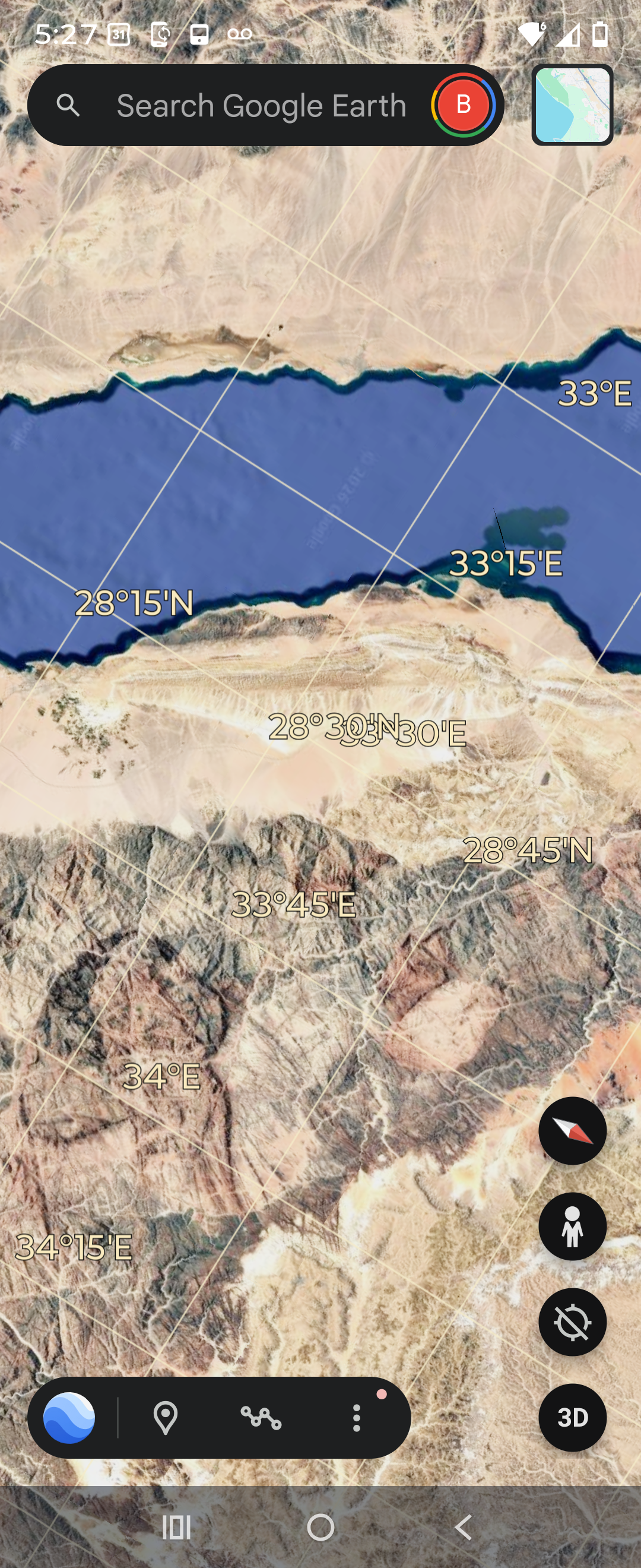
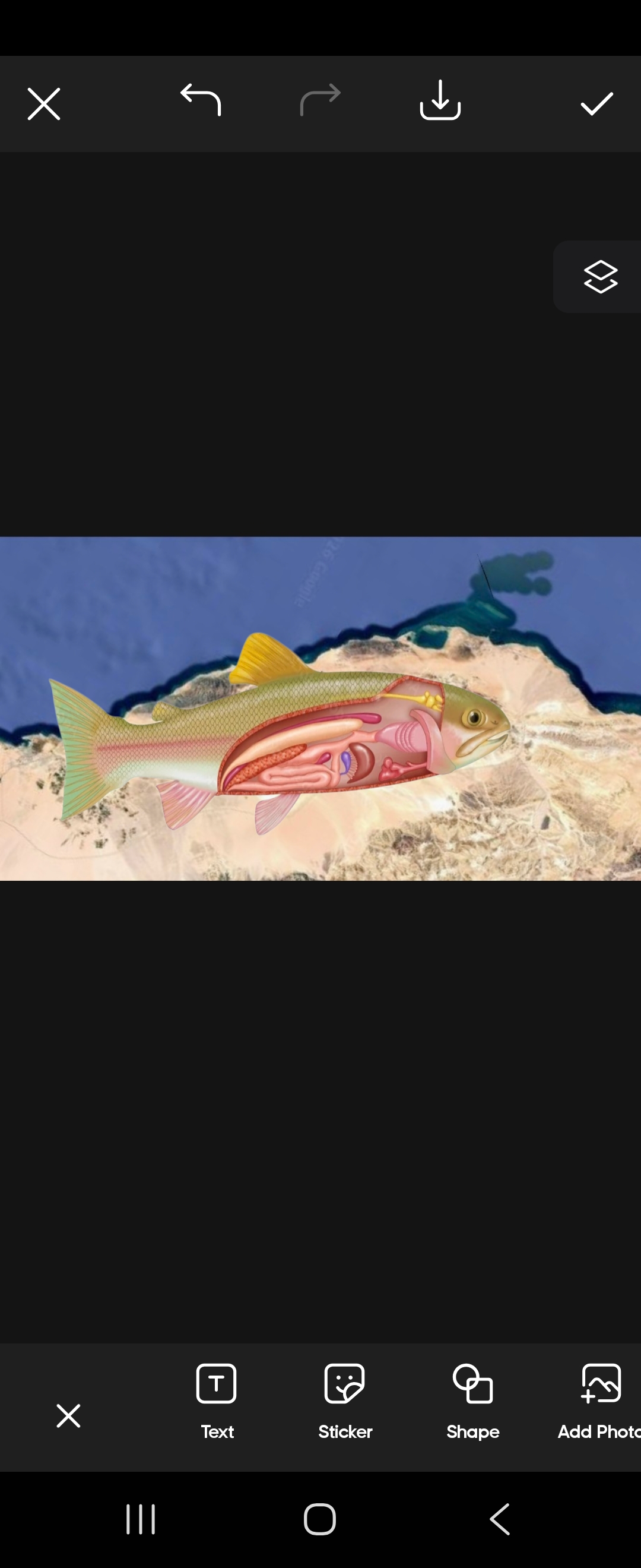
The two screenshots give different views of the area. They are preserved in their original orientation, rather than forced into a perfectly matched before-and-after slider. The illustration makes the proposed reading easier to see, while the terrain screenshot lets you consider the land without that added shape.
Follow the broad form before concentrating on individual details: the proposed head at one end, the extended body, and the tapering tail region at the other. Coastline, ridges and valleys provide the visible setting for the comparison.
02 · Reading the body
The proposed head and eye region give the fish its direction and expression. They are the starting points for Brett’s reading of the cranial area and the brain overlay.
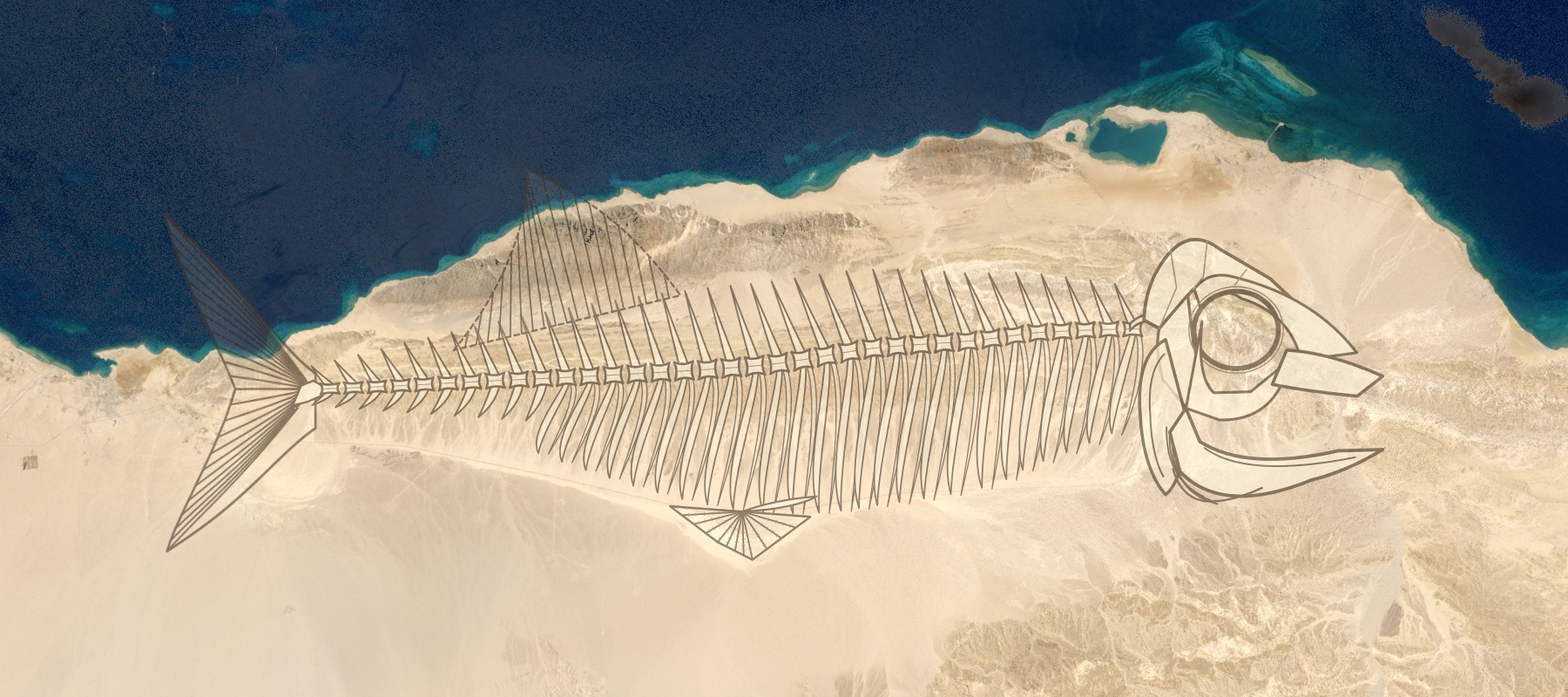
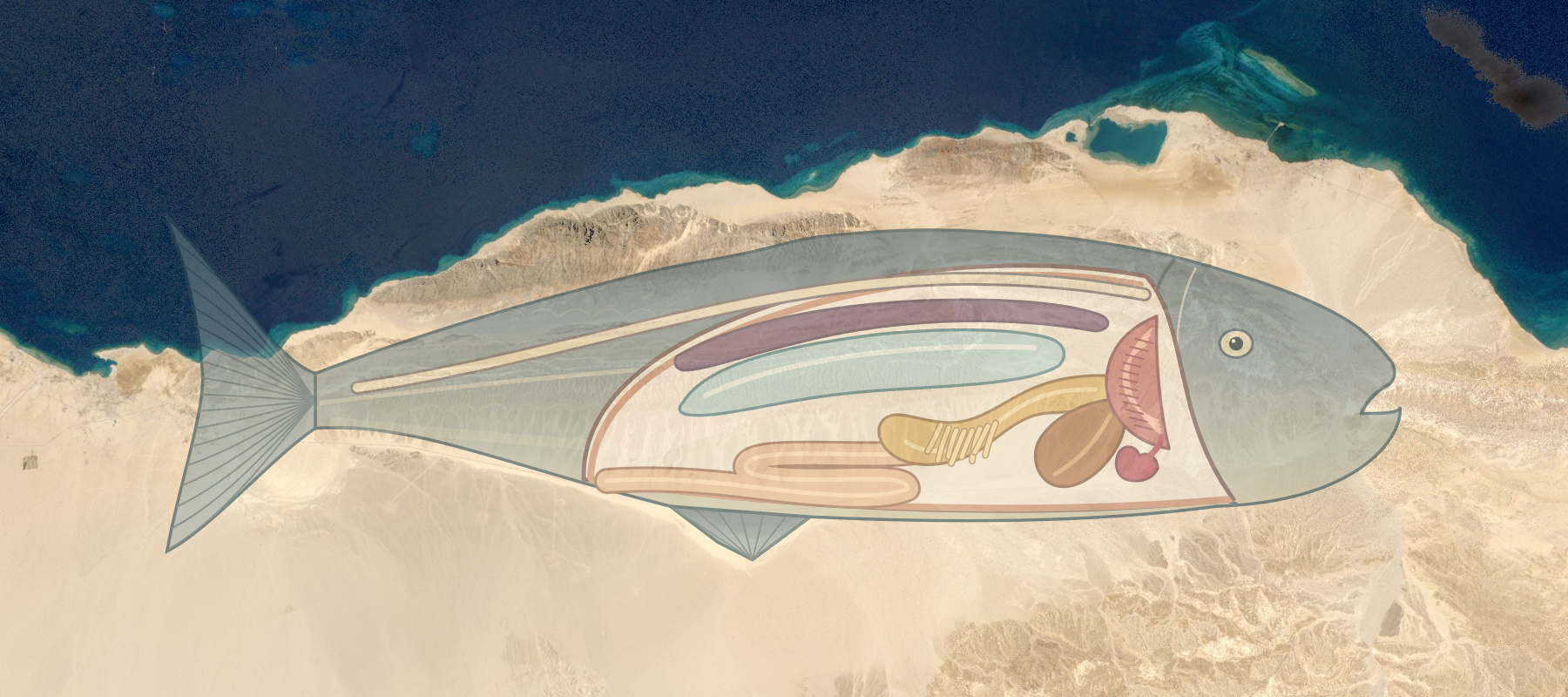
The elongated body is read around a proposed spinal axis. The cutaway and skeletal illustrations offer different ways of visualizing that central organization.
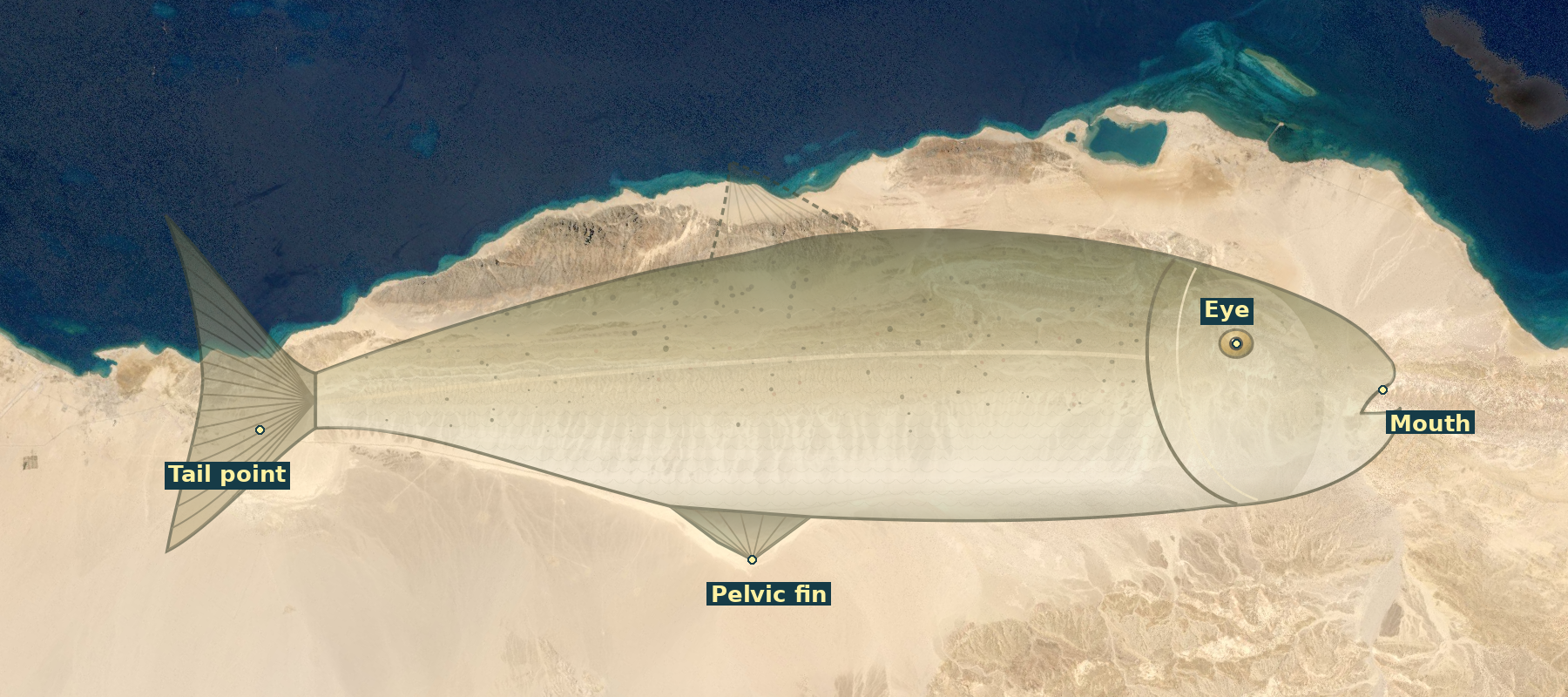
Features around the main form are compared with fins and a tail. Their names belong to the interpretation and help a viewer follow the outline being proposed.
The overlays are a visual vocabulary. A fish skeleton emphasizes an axis and repeated forms; the cutaway illustration emphasizes the relationship between the head and the internal body. Each image expresses a particular reading of the landscape, rather than replacing the original terrain.
03 · Still-image comparisons
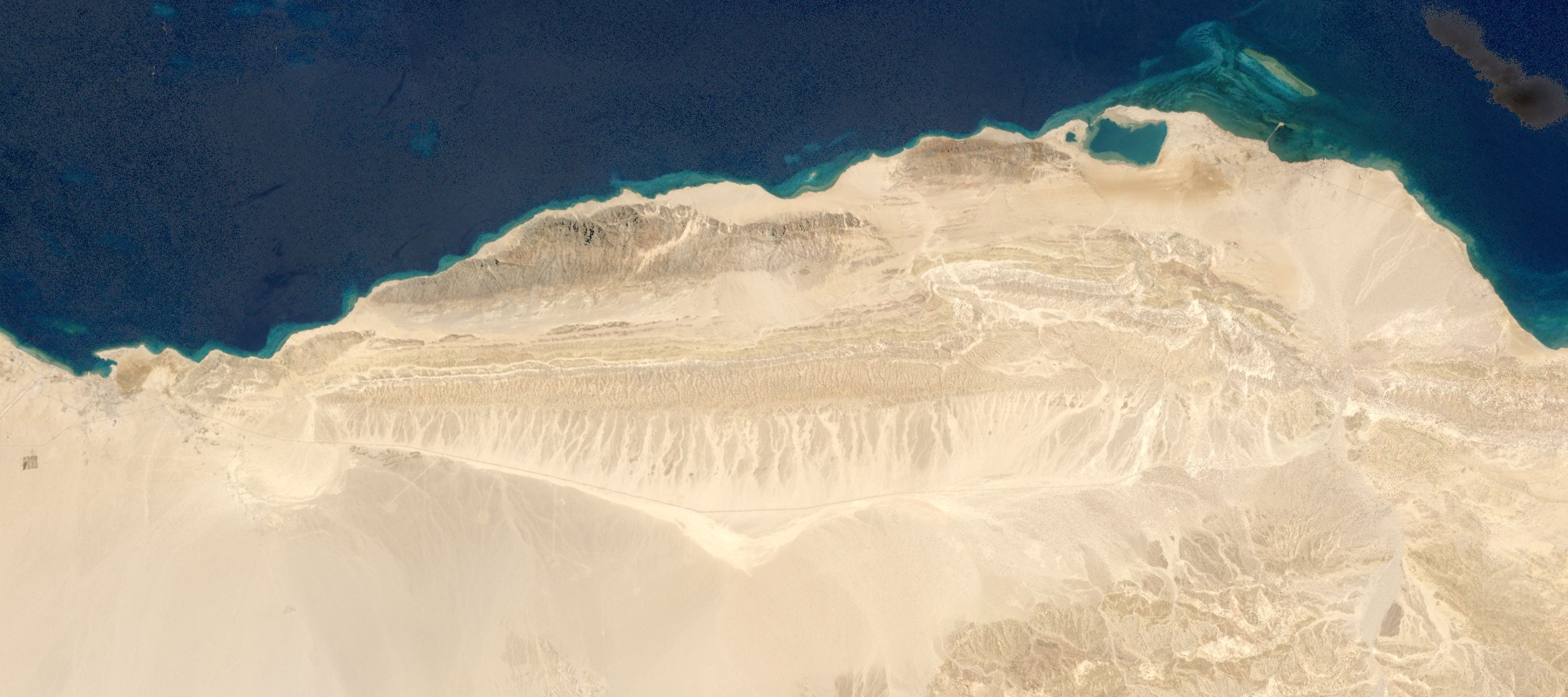
Start with the unmarked terrain, then look at each complete illustration beside it: the outer fish, the skeleton and the internal anatomy. Each pair uses the same terrain image and framing, so you can move between the landscape and the proposed comparison without changing your view.
These later authored illustrations make the interpretation easier to follow. The anatomy is drawn, not observed tissue. They are comparative artwork, not a geographic survey or a reconstruction of a confirmed species.
04 · The brain overlay
The Great Fish interpretation goes beyond an outer silhouette. Brett’s brain overlay compares features in the proposed head region with the arrangement of a fish brain, tracing a sequence from the front of the head toward the spinal axis.
The working anatomical vocabulary includes the olfactory bulb and nerve, cerebrum, optic lobe, cerebellum, medulla oblongata and spinal cord. The eye region provides another visual reference. These labels describe the proposed arrangement in the overlay.
To follow the comparison, begin with the terrain reference, then look at the original alignment. Notice where the colored regions sit relative to the surrounding landforms, and how the proposed neural sequence continues toward the body.
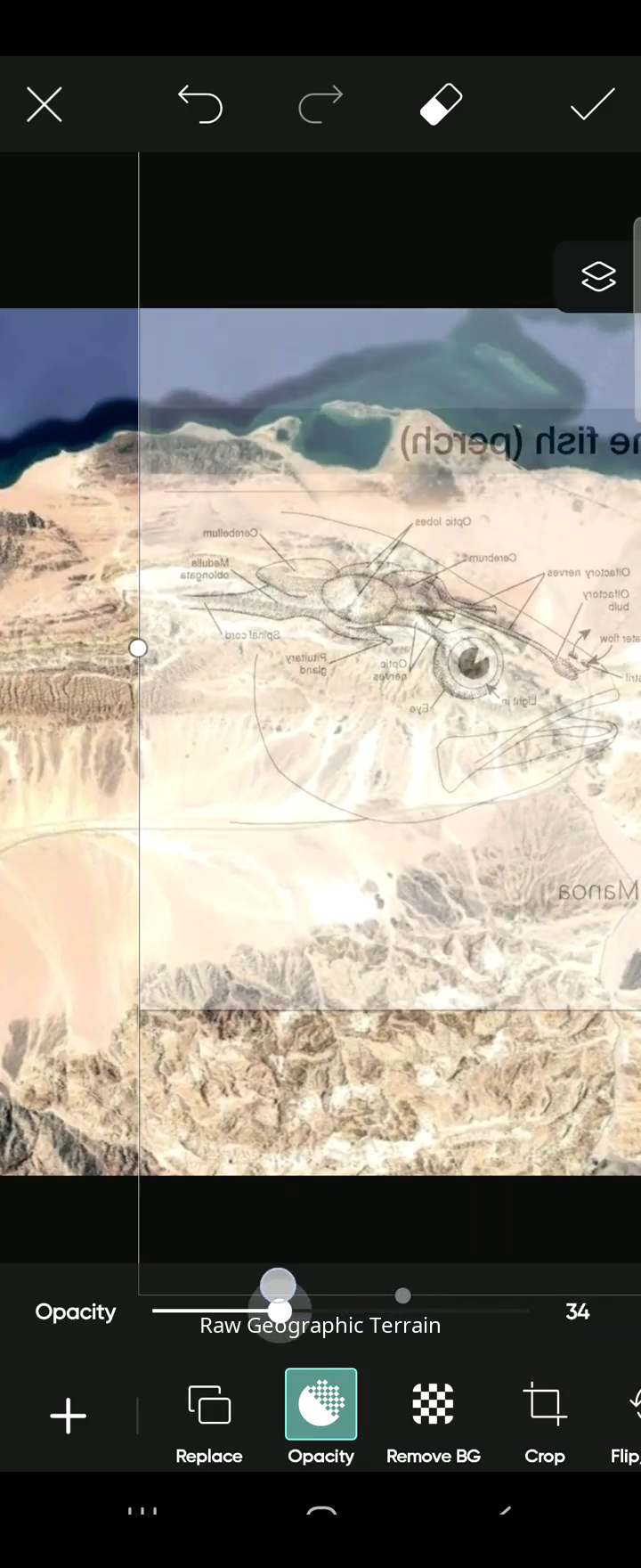
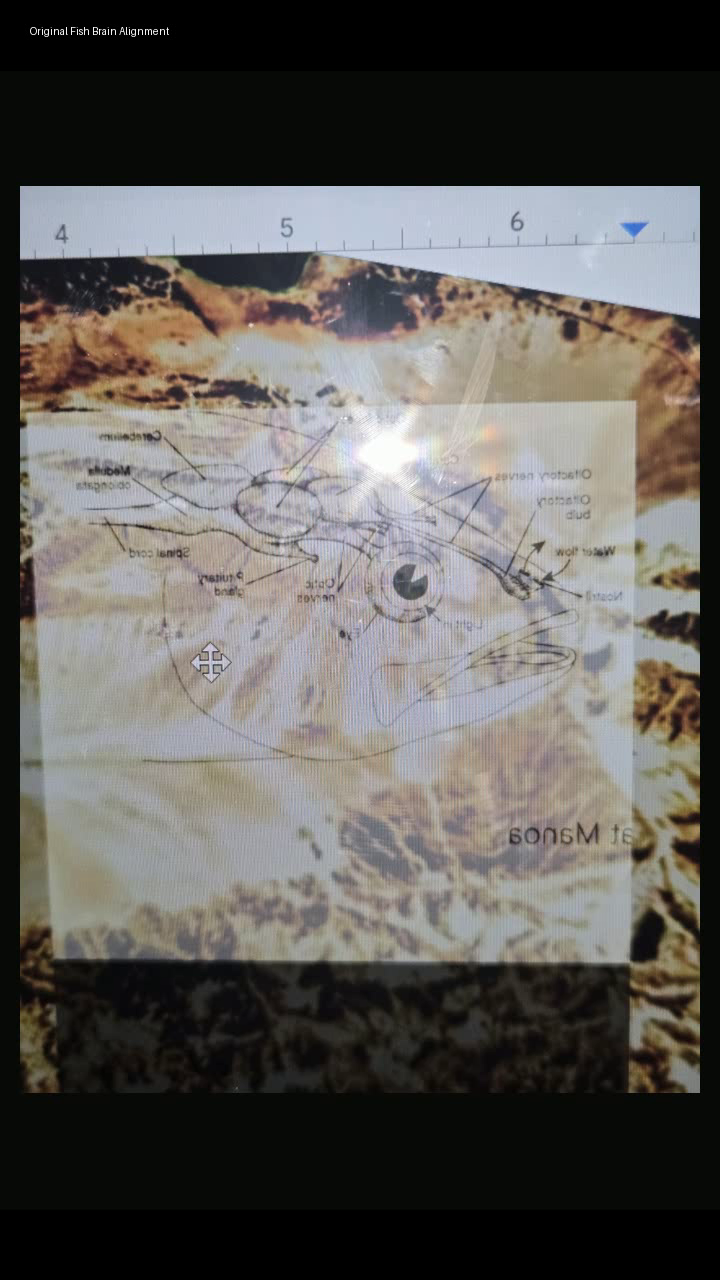
The diagrams are anatomical illustrations placed over terrain. Their colors, outlines and labels explain the proposed comparison. They should be read as interpretive guides, rather than as a geographic survey or confirmed brain anatomy.
05 · Artistic terrain studies
These four boards bring together sixteen artistic interpretations of the terrain. Color, contrast, luminous lines and sculpted relief invite a different way of seeing the same fish-like form.
These are stylized artwork, separate from the terrain-and-overlay comparisons above. Their colors and relief treatments are not the original satellite appearance and do not establish anatomical detail. Open any board to explore its complete set of images.
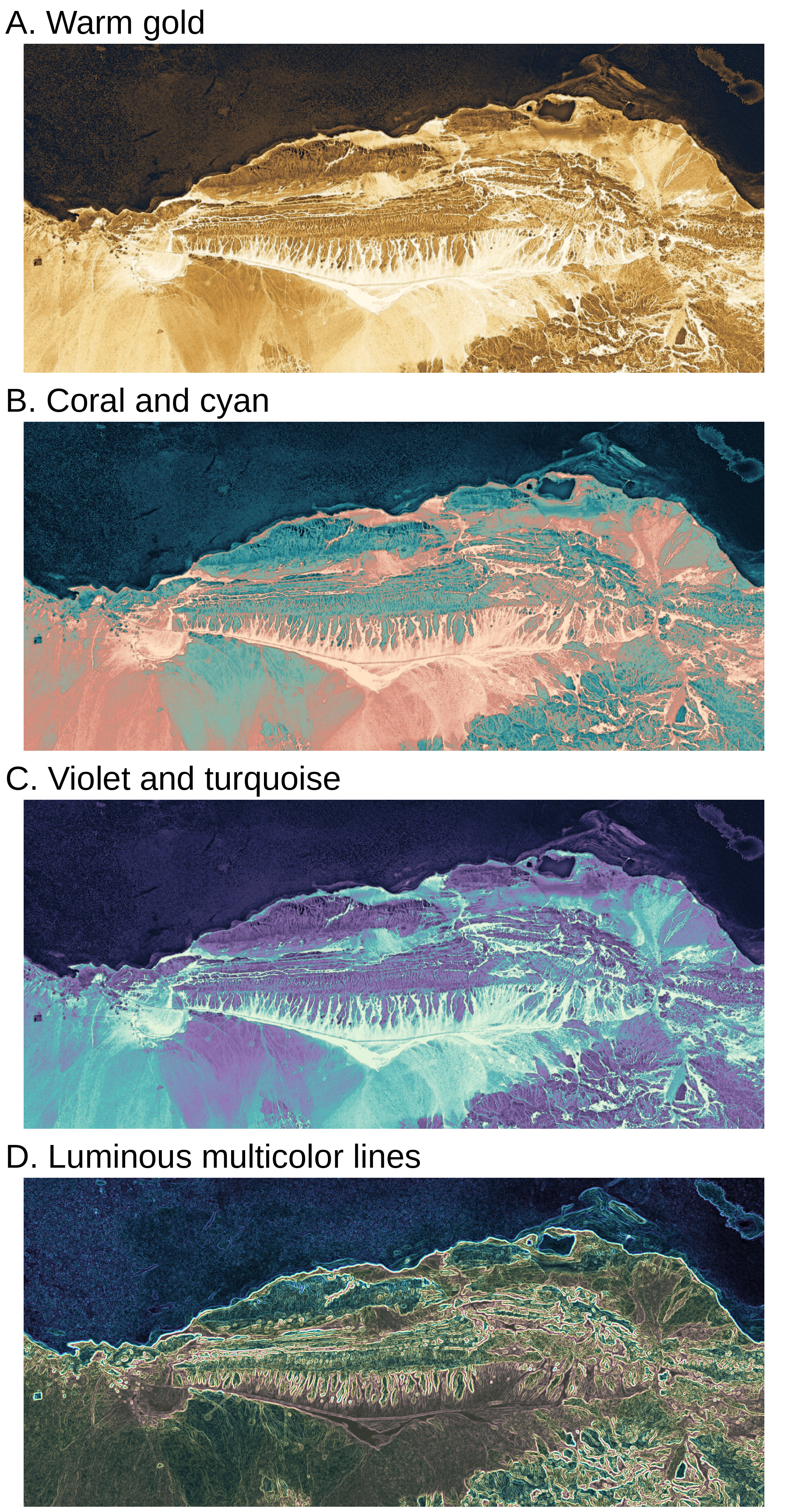
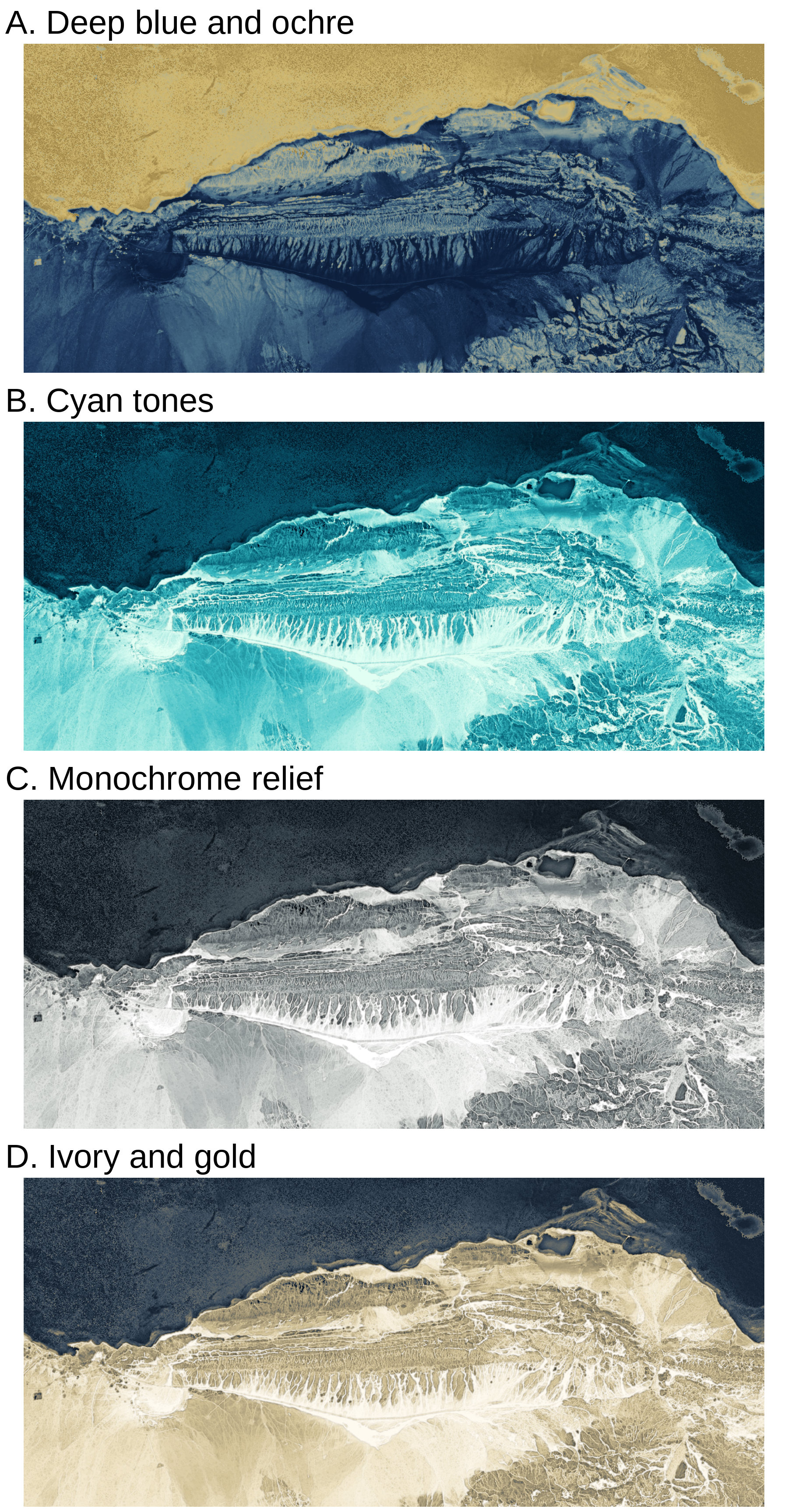
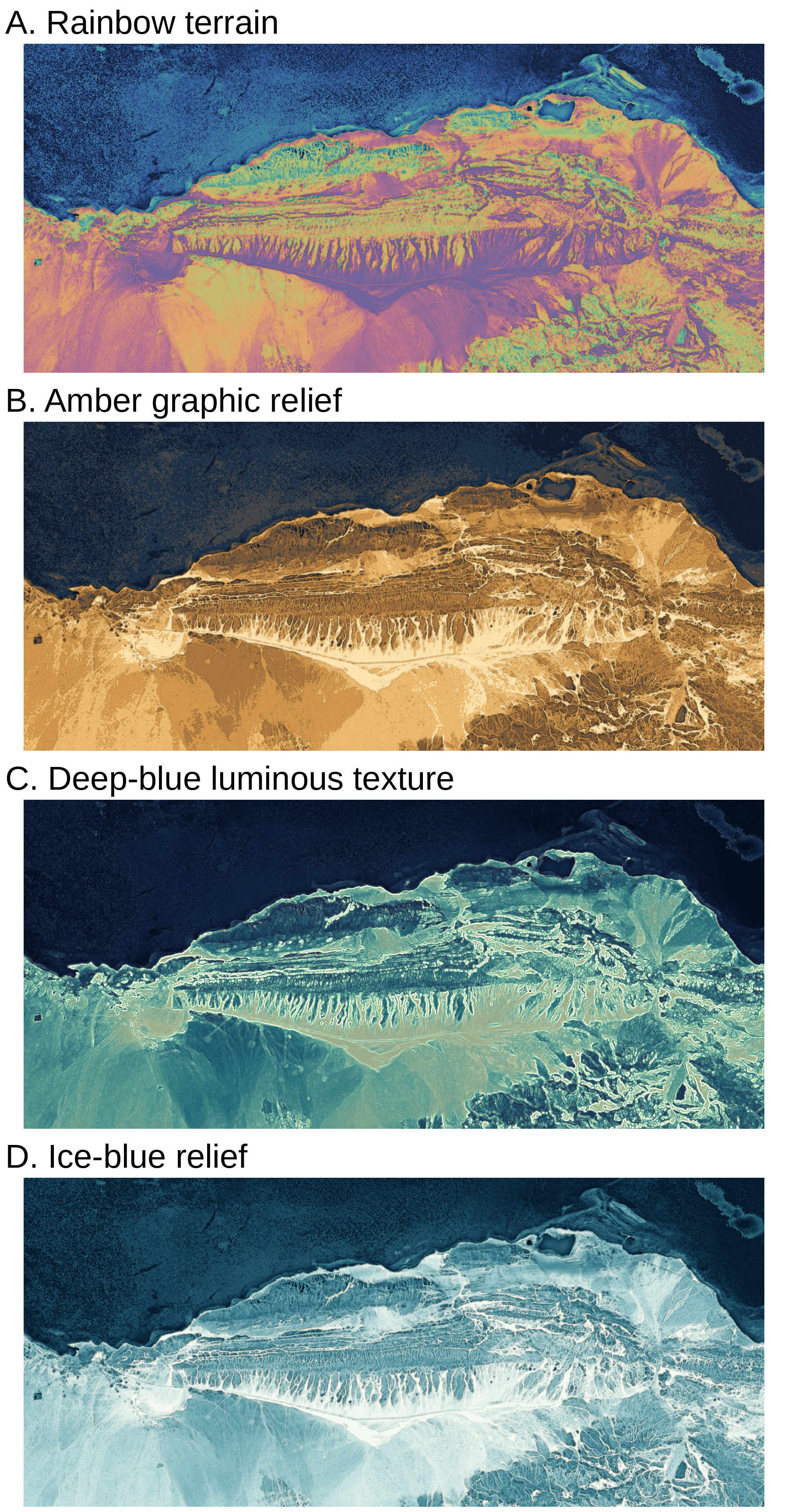
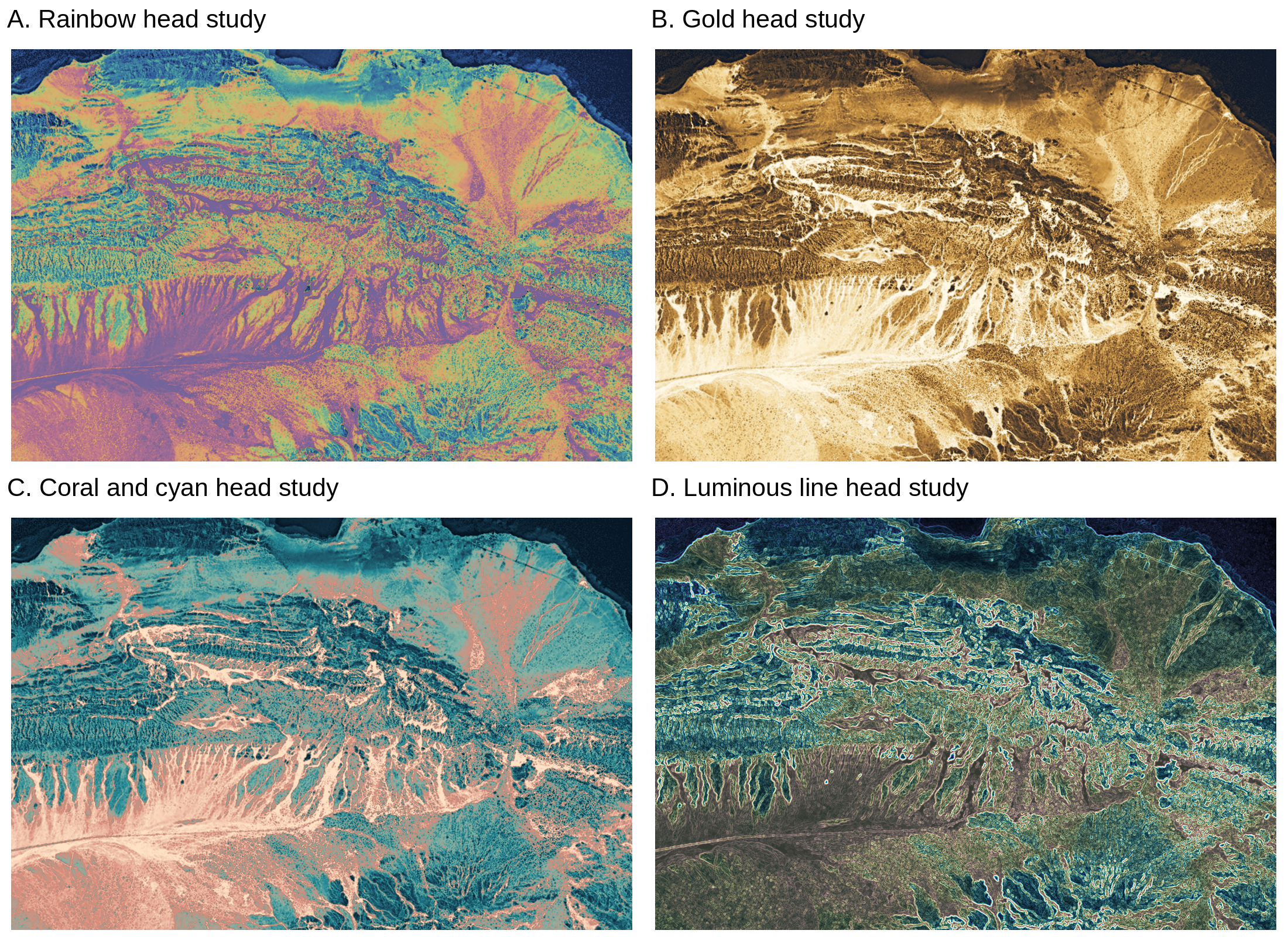
06 · Watch the comparisons
These films preserve their complete source timelines. Brett’s selected sequence brings the landscape, body and brain comparisons together. The two additional silent films offer a closer look at the historical overlay process and the whole-body illustration.
07 · Beyond the outline
The Great Fish dossier also contains interpretations of nearby features as detached or displaced body regions, including a feature called the “fillet,” and lines read as possible movement or release trails. These belong to the broader visual story Brett sees around the fish-like form.
They can be considered in layers: first the main fish-like structure, then the surrounding shapes, then the possible story linking them. Calling a feature a fillet or a trail expresses that reading. It does not by itself establish that flesh was removed or that a creature moved across this landscape.
The focus here is the Sinai Great Fish. The fish-like form near Lake Balkhash belongs to a separate discovery and is not part of this scene.
08 · Faith and interpretation
For Brett, the fish-like form recalls the great fish prepared by God in the book of Jonah. The connection gives the landscape interpretation a spiritual meaning: a place of containment becomes a place of prayer, mercy and deliverance.
Jonah’s story moves from flight and distress to prayer from within the fish, release onto dry land, and a renewed call to go to Nineveh. Those themes provide the narrative behind the Great Fish name.
In Matthew 12:40, Jesus connects Jonah’s three days and nights in the fish with the Son of Man in the heart of the earth. This is the central Christian connection explored here. The landscape invites reflection on that passage; the biblical text does not name these modern Sinai coordinates.
Keeping those layers distinct allows the imagery and Scripture to be considered together: the terrain is the setting, the overlay expresses the visual interpretation, and the biblical passages supply the story and its meaning.
09 · Read the passages
After reading the story and viewing the overlays, look again at the original image. The purpose of this dossier is to make Brett’s interpretation visible and understandable, leaving room for you to examine the shapes and reflect on the connection.
View the terrain again ↑← Explore the other discoveries